East African farmers are bracing for a difficult end to the March–May rainy season, with the region’s main forecasting agencies warning of below-average rainfall across key cropping zones.
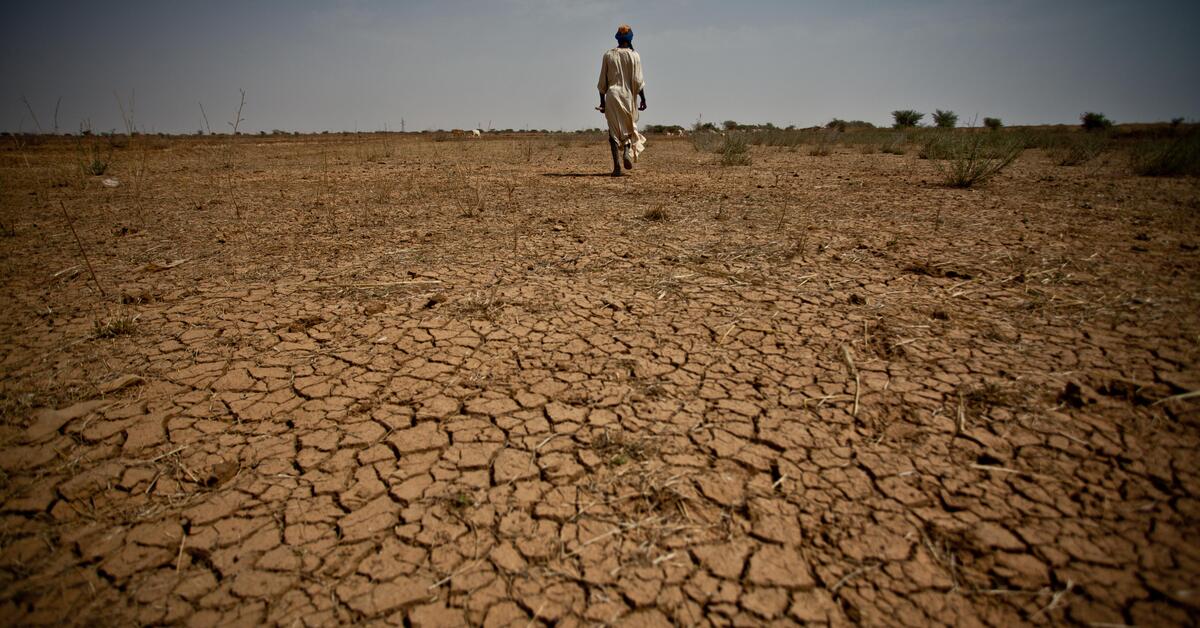
ESP Tierra árida en Mauritania. Las cosechas han sido deficitarias y la región se encuentra haciendo frente a una grave crisis alimentaria. Más de 700,000 personas están en riesgo en Mauritania y 12 millones en el Sahel.
Fr: Sols arides en Mauritanie. Les récoltes nont rien donné et la région est confrontée à une crise alimentaire majeure. Plus de 700 000 personnes sont menacées en Mauritanie et 12 millions dans l’ensemble du Sahel.
According to the latest FEWS NET seasonal monitor, April rainfall is likely to fall below average across western Kenya, most of Uganda, Burundi, Rwanda, and the bimodal regions of southern South Sudan. This matters because April is typically the peak month of the March–May season — meaning reduced yields, especially for late-planted crops experiencing moisture stress during early vegetative stages.
Season-to-date rainfall totals are already below average in western Uganda, most of Rwanda and Burundi, as well as southern Somalia. While deficits in the high-rainfall areas of Uganda, Rwanda, and Burundi are unlikely to have significant impacts, conditions in Somalia remain concerning due to the delayed seasonal establishment.
The picture is not uniformly negative. Above-average rainfall in March led to significant improvements in surface water across Kenya, with rangeland conditions also improving across pastoral regions of Kenya, southern Ethiopia, the Karamoja region of Uganda, and South Sudan. These conditions are expected to improve depleted livestock body conditions and reduce trekking distances in the short term.
But the longer-term outlook adds another layer of concern. Ensemble forecasts indicate early development of El Niño conditions in June, which could reduce rainfall across Ethiopia, Sudan, South Sudan, and unimodal regions of Kenya and Uganda’s Karamoja during the critical June–September season.
For ministries of agriculture, NGOs running food security programmes, and pastoral communities themselves, the message is to plan now: prioritise drought-tolerant varieties, secure water storage, monitor early warning systems, and prepare anticipatory action plans before conditions worsen.