When most people think of refugees, they think of dependence. Fabris Mulindi is rewriting that script.

A refugee himself, climate advocate, and social entrepreneur based in Uganda, Mulindi is the founder and CEO of Solve & Flourish Africa (SOLFA), a youth-led social enterprise tackling environmental degradation, food insecurity, and climate change in refugee and rural communities.
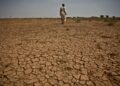
His work sits at an intersection that too often gets ignored in policy circles: the climate crisis is not coming for refugees in some distant future — it has arrived, and it is shaping their daily lives. Refugee settlements across East Africa, particularly in Uganda which hosts one of the world’s largest refugee populations, depend heavily on natural resources that climate change is destabilising. Firewood, water, soil fertility, and grazing land are all under pressure.
SOLFA’s response is to treat refugees not as passive beneficiaries but as active agents of climate solutions. The enterprise works with young people in settlements and surrounding host communities to build climate-resilient livelihoods, restore degraded land, and strengthen food systems.
Mulindi’s recognition has grown: he was named among the Africa Youth Change-Maker honourees, joining a cohort of young leaders being celebrated for transformative contributions to peace-building and social change across the continent.
His message to other young Africans navigating displacement, climate stress, or limited opportunity is consistent with his model: the people closest to the problem are also closest to the solution. The question is whether the systems around them — funders, governments, partners — are ready to follow their lead.
For organisations working in refugee response, climate adaptation, or youth empowerment in East Africa, SOLFA’s model offers a compelling case study. It also serves as a reminder that some of the region’s most innovative leadership is emerging from places that mainstream development has long underestimated.