Uganda’s higher education sector is bracing for a reckoning. The country’s universities have been put on formal notice: align programmes with national priorities and quality standards, or face being phased out.
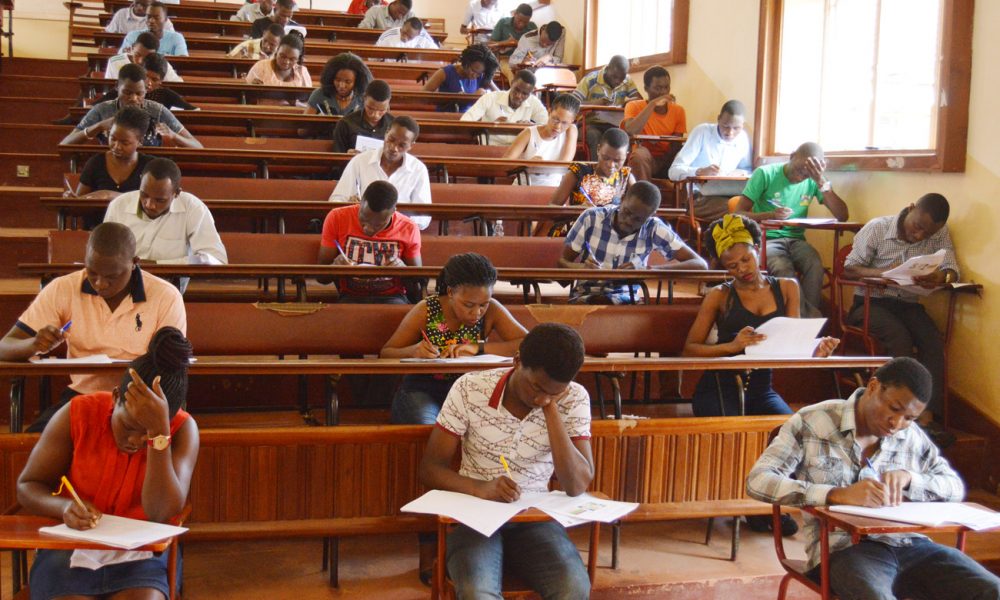
The warning, reported through Uganda’s education media this week, is part of a broader push by the National Council for Higher Education to address concerns about programme proliferation, duplication, and a widening mismatch between graduate output and labour market needs.
The challenges have been visible for years. Universities across Uganda have launched dozens of new programmes — many in fields with limited employer demand — while traditional faculties grapple with under-resourcing. Graduate unemployment has climbed, and employers increasingly complain that academic credentials don’t translate into workplace skills.
Lower in the system, the same structural strains are showing up at the secondary level. Parents in Kamwenge district are publicly demanding accountability over classroom shortages at Bigodi Secondary School, where students continue to learn in crowded, under-equipped spaces. In Kampala, outgoing Lord Mayor Erias Lukwago has been raising alarm about school land grabbing, warning that public school assets are being quietly converted to private use.
Taken together, the picture is one of an education system at a crossroads: ambitious in scale, but uneven in delivery, and increasingly out of step with what students, families, and employers actually need.
The phase-out warning could mark the beginning of a more disciplined era — or, if poorly managed, accelerate the closure of programmes that serve underserved students. The next 12 months will be telling.