Ethiopia is making its case to be Africa’s climate leader, and the numbers are hard to ignore.
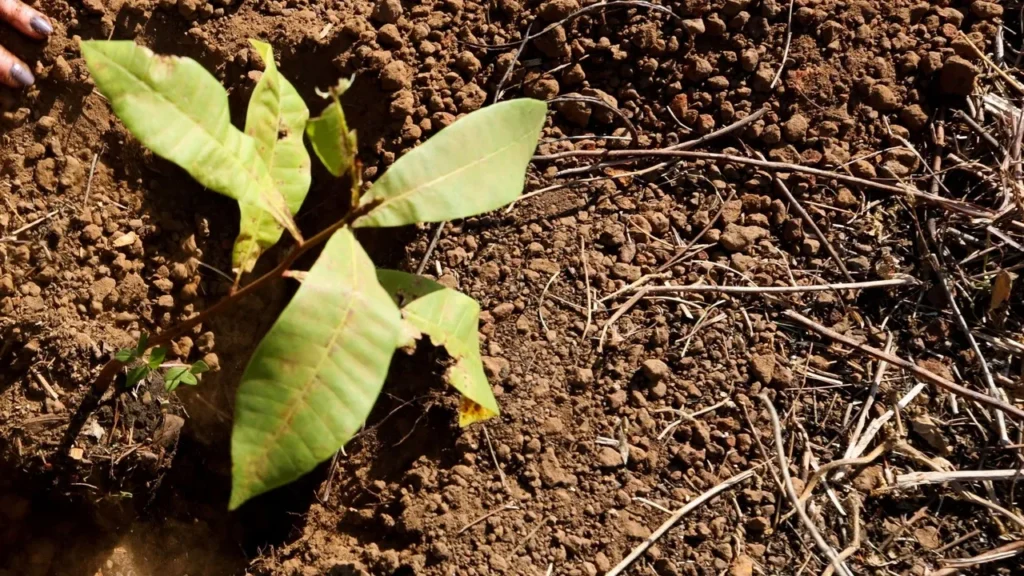
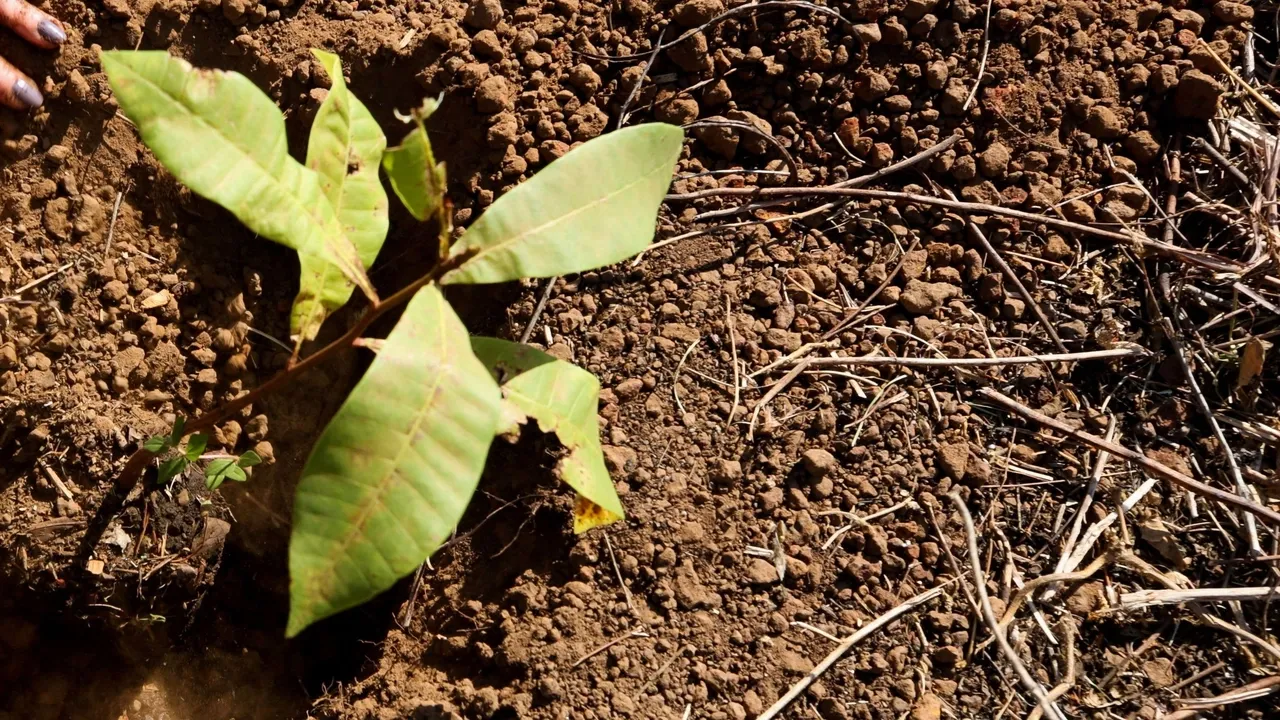
According to the Office of the Prime Minister, the country has planted more than 48 billion seedlings under its flagship Green Legacy Initiative — a reforestation campaign that has become one of the largest of its kind anywhere in the world.
The initiative is part of a broader, integrated national strategy that aligns mitigation and adaptation efforts. Beyond tree planting, Ethiopia has invested in improved water management systems, climate-smart agriculture, riverfront rehabilitation in cities, eco-friendly urban infrastructure, and non-motorised transport systems. Climate-resilient crops and improved livestock systems are being rolled out in rural areas, supported by expanded irrigation drawing on both surface and groundwater.
The strategy is positioning Ethiopia as a regional leader in sustainable growth — a particularly significant claim given that Africa contributes only about 3.8% of global greenhouse gas emissions yet remains the continent most vulnerable to climate-related impacts.
For East Africa, Ethiopia’s experience offers both inspiration and lessons. Ambitious targets matter, but so does the institutional capacity to sustain them year after year. Tree-planting campaigns are easy to launch and hard to maintain — survival rates, not planting rates, are what ultimately determine carbon impact and ecosystem recovery.
Critics within and outside the country continue to push for more transparent monitoring data, particularly on seedling survival, biodiversity outcomes, and the social inclusiveness of restoration efforts. But few dispute the scale of ambition, and fewer still are matching it.
As the region heads into a complicated rainy season — with below-average rainfall forecast across western Kenya, Uganda, Burundi, and Rwanda — the value of long-term ecosystem restoration has rarely been more visible.